

How to Improve Indoor Air Quality in Commercial Buildings with the Right AC System
Maintaining good indoor air quality in commercial buildings is essential for the health and well-being of employees, customers and visitors. Poor air quality can lead to discomfort, health issues and reduced productivity. One of the most effective ways to enhance the air quality inside is by using a well-designed and properly maintained air conditioning system. Let’s explore how the right commercial AC setup can make a significant difference in maintaining clean, breathable air.

Why you can trust our content
We understand that the roofing industry can be confusing, with plenty of outdated or misleading information. That’s why we rely only on trusted, proven sources to guide our advice and installations:



At a glance
1. The Role of Air Conditioning
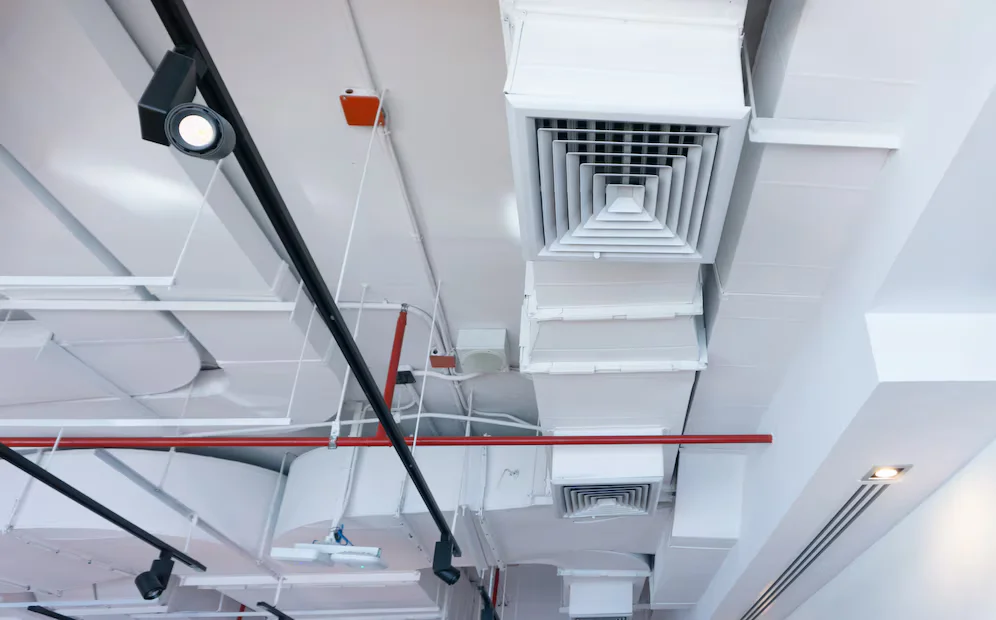
Air conditioning systems do much more than just control temperature—they also play a crucial role in regulating indoor air quality. By circulating and filtering air, AC systems can help remove pollutants, allergens, and other contaminants. An efficient system not only keeps the indoor environment comfortable but also promotes a healthier workspace.
2. Filtration: Capturing Airborne Contaminants
One of the primary ways that AC systems improve air quality is through filtration. High-quality filters can capture dust, pollen and mould spores, and by upgrading to HEPA filters or using multi-stage filtration, airborne pollutants can be removed for even better air quality. Regularly changing or cleaning filters is essential to maintain their effectiveness, especially in environments prone to high levels of dust or allergens.
What Type of Property Do You Have?
Please select your property type to help us choose the right air conditioning system and installation method.
 Detached
 Semi-Detached
 Terrace
 Flat
Flat
 Bungalow
 Commercial or small office
It just takes 60 Sec
And then you can book a free consultation
3. Ventilation: Bringing Fresh Air In
Proper ventilation is key to maintaining good conditions indoors. Commercial AC systems can be integrated with ventilation systems to bring in fresh outdoor air while expelling stale indoor air. This exchange helps dilute indoor pollutants, reducing their concentration and maintaining a healthier environment. Energy recovery ventilators (ERVs) can be particularly beneficial as they balance energy efficiency with fresh air intake.
4. Humidity Control: Avoiding Mold and Mildew
High humidity levels can encourage the growth of mould and mildew, both of which negatively impact air quality and can cause respiratory problems. Commercial AC systems help regulate indoor humidity, keeping it within the ideal range of 40-60%. Dehumidifiers integrated into the AC system are especially useful in areas prone to dampness or moisture buildup.
5. Regular Maintenance: Keeping Systems Efficient
To ensure your AC system continues to work effectively, regular maintenance is crucial. Clogged filters, dirty ducts, or malfunctioning components can reduce efficiency and compromise air quality. Scheduling routine check-ups with HVAC professionals can help identify and resolve issues before they impact your indoor environment.
6. Smart Controls: Monitoring and Management
Modern commercial AC systems can include smart controls and sensors that monitor air quality in real-time. These systems can detect increases in CO2 levels or humidity and automatically adjust ventilation or cooling settings. This proactive approach ensures that indoor air remains fresh and healthy without manual intervention.
Final Thoughts
Good indoor air quality is more than just a comfort factor—it’s a critical component of maintaining a healthy, productive workspace. Investing in the right commercial air conditioning system, combined with regular maintenance and smart technology, can make a significant difference. If you’re looking to upgrade your building’s AC system or want advice on maintaining air quality, reach out to Verdi Cooling. Our experts can help you find the best solutions for your commercial space.
Related articles


What Type of Property Do You Have?
Please select your property type to help us choose the right air conditioning system and installation method.
Detached
Semi-Detached
Terrace
Flat
Bungalow
Commercial or small office
At a glance
1. The Role of Air Conditioning
Air conditioning systems do much more than just control temperature—they also play a crucial role in regulating indoor air quality. By circulating and filtering air, AC systems can help remove pollutants, allergens, and other contaminants. An efficient system not only keeps the indoor environment comfortable but also promotes a healthier workspace.
2. Filtration: Capturing Airborne Contaminants
One of the primary ways that AC systems improve air quality is through filtration. High-quality filters can capture dust, pollen and mould spores, and by upgrading to HEPA filters or using multi-stage filtration, airborne pollutants can be removed for even better air quality. Regularly changing or cleaning filters is essential to maintain their effectiveness, especially in environments prone to high levels of dust or allergens.
What Type of Property Do You Have?
Please select your property type to help us choose the right air conditioning system and installation method.
Detached
Semi-Detached
Terrace
Flat
Bungalow
Commercial or small office
It just takes 60 Sec
And then you can book a free consultation
3. Ventilation: Bringing Fresh Air In
Proper ventilation is key to maintaining good conditions indoors. Commercial AC systems can be integrated with ventilation systems to bring in fresh outdoor air while expelling stale indoor air. This exchange helps dilute indoor pollutants, reducing their concentration and maintaining a healthier environment. Energy recovery ventilators (ERVs) can be particularly beneficial as they balance energy efficiency with fresh air intake.
4. Humidity Control: Avoiding Mold and Mildew
High humidity levels can encourage the growth of mould and mildew, both of which negatively impact air quality and can cause respiratory problems. Commercial AC systems help regulate indoor humidity, keeping it within the ideal range of 40-60%. Dehumidifiers integrated into the AC system are especially useful in areas prone to dampness or moisture buildup.
5. Regular Maintenance: Keeping Systems Efficient
To ensure your AC system continues to work effectively, regular maintenance is crucial. Clogged filters, dirty ducts, or malfunctioning components can reduce efficiency and compromise air quality. Scheduling routine check-ups with HVAC professionals can help identify and resolve issues before they impact your indoor environment.
6. Smart Controls: Monitoring and Management
Modern commercial AC systems can include smart controls and sensors that monitor air quality in real-time. These systems can detect increases in CO2 levels or humidity and automatically adjust ventilation or cooling settings. This proactive approach ensures that indoor air remains fresh and healthy without manual intervention.
Final Thoughts
Good indoor air quality is more than just a comfort factor—it’s a critical component of maintaining a healthy, productive workspace. Investing in the right commercial air conditioning system, combined with regular maintenance and smart technology, can make a significant difference. If you’re looking to upgrade your building’s AC system or want advice on maintaining air quality, reach out to Verdi Cooling. Our experts can help you find the best solutions for your commercial space.
Related articles
What Type of Property Do You Have?
Please select your property type to help us choose the right air conditioning system and installation method.
Detached
Semi-Detached
Terrace
Flat
Bungalow
Commercial or small office


